A Cow T-Shirt Design for Crafters Who Need Versatile Graphics
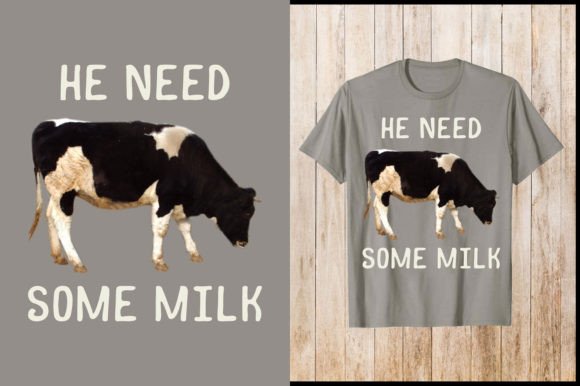
Opening the file, the playful, slightly quirky mood of this graphic design asset is immediately apparent. It leans into a cute, lighthearted rustic style that suggests cozy, farm-inspired decor or apparel. For my handmade business, that signals a potential customer base looking for something fun, a bit nostalgic, and perfect for gift-giving—maybe parents, animal lovers, or folks who appreciate a touch of humor in their home goods or wardrobe.
Where This Cow Design Shines in a Real Crafting Workflow
Let’s talk real applications. Imagine you’re prepping for a local craft fair with a mix of products. This He Needs Some Milk Cow T-shirt design, given its clear artboard and included file formats, is a contender for several key items in your booth.
For Cricut and Silhouette projects, the SVG/EPS files are your starting point. I’d test a cut first on scrap vinyl, but the bold, clean shapes look promising for medium to large applications. Think heat-pressed t-shirt designs, especially on kids' sizes or adult tees for a casual look. It’s also strong for tote bags and pillow covers—products that benefit from a larger, statement graphic.
The high-resolution PNG opens up printable design avenues. This is excellent for creating digital products like printable wall art for a farmhouse-themed collection or even planner stickers if you resize and crop sections. For physical products, it’s ready for sublimation design onto mugs and tumbler wraps, where that 4500x5400 artboard ensures no pixelation. The design also lends itself to simple gift tags or party favor stickers for a barnyard-themed event.
Best Uses for Your Handmade Shop Collections
In my experience, assets like this work best when you lean into their inherent style. For this cow illustration, I’d focus on:
- Large cut files for apparel and home decor—avoiding tiny details.
- Clean printable layouts where the graphic is the hero, perhaps paired with a simple sans-serif font for a product title.
- Seasonal craft bundles—maybe a spring or farmers’ market collection.
- Gift products like mugs and pillows, which often sell well as charming, usable gifts.
- Product mockups to quickly visualize how it looks on different items before committing to production.
Technical Considerations Before Cutting or Selling
Honestly, no graphic asset is perfect for every application. Here’s where I’d proceed with caution. Because the design has distinct elements, watch out for:
- Very small cutting details if you shrink it dramatically for, say, small sticker sizes. Some lines might not cut cleanly.
- Crowded compositions if you try to layer it with other complex clipart—it might lose its clean, readable impact.
- Low-contrast colors if you’re printing on a colored substrate; always test how it looks on both white and dark products.
Practical Crafter Notes for a Smooth Production Run
Before running a batch of mugs for my Etsy shop or shirts for a customer order, my checklist includes:
- Test the SVG file in my software to confirm paths are closed and clean.
- Preview the PNG transparency to ensure no unexpected white edges.
- Confirm the resolution is sufficient for my sublimation printer’s requirements.
- Actually print or cut a test on the final material—colors can shift.
- Resize it for different products (a mug vs. a shirt) and see if any details become too thin.
- Simplify the layout if needed for a specific application, perhaps isolating just the cow for a simpler gift tag.
- Pair it with complementary fonts. A friendly script or a sturdy serif could work well for adding text like “Farm Fresh” or a name.
- And crucially, confirm the commercial licensing terms. Never assume; using a design asset for customer orders requires clear commercial use rights.
Why This Asset Supports Creative Entrepreneurship
Ultimately, a versatile graphic like this He Needs Some Milk Cow T-shirt design is a tool. It reduces the design time for a small business owner, allowing you to focus on production, marketing, and customer service. Whether you’re building a print-on-demand line, stocking your booth at a craft fair, or creating a digital product bundle for a creative marketplace, having a well-made, multi-format asset is a practical advantage. It lets you prototype quickly, adapt to trends (like rustic chic or animal-themed gifts), and build a cohesive brand collection around a specific style. For the crafter who also runs a business, that efficiency and flexibility is often what makes a project—and a product line—successful.