A Retro Thanksgiving Design for Embroidery Projects
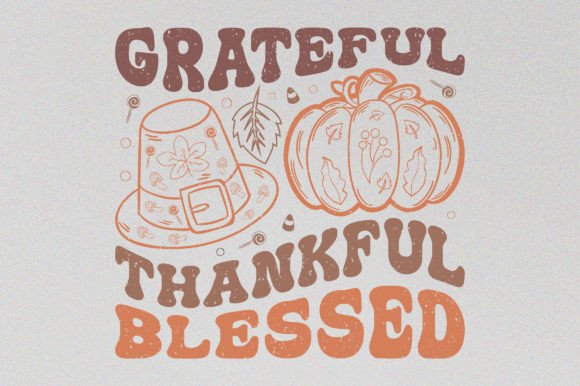
When you download an embroidery file, you're not just getting a graphic. You're committing to a project, investing your time, and trusting that the design will translate beautifully from screen to stitch. As a designer who regularly evaluates files for my own work and for clients, I approached the Thankful Thanksgiving Sublimation Design with that practical mindset. Let's talk about how this retro-themed embroidery design holds up for real-world use.
The First Impression: Warm Nostalgia Meets Clean Layout
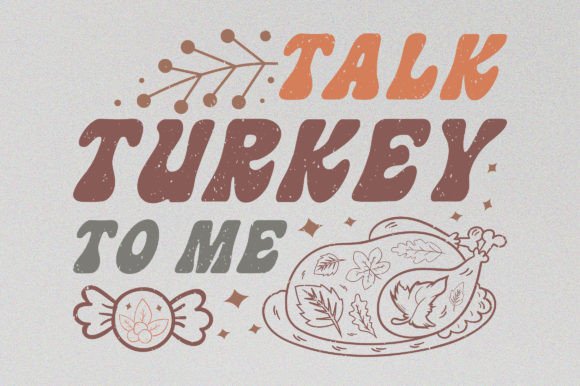
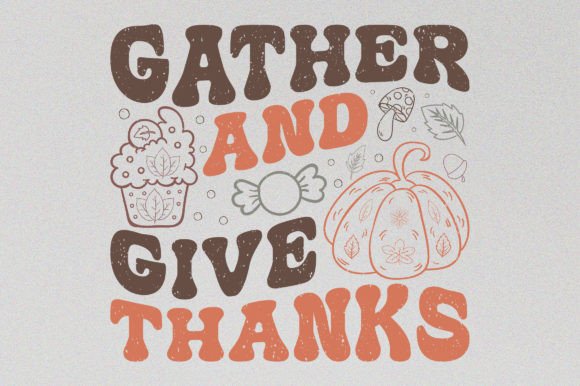
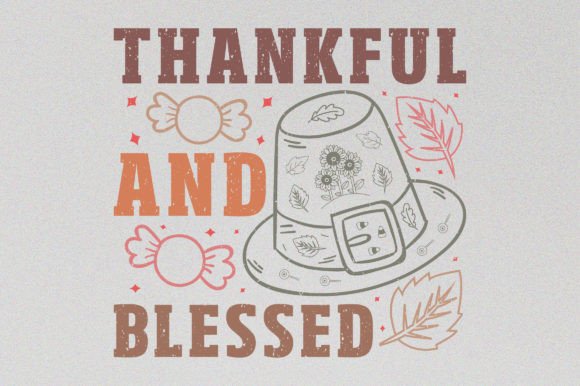
The immediate mood is one of cozy, vintage Thanksgiving. This isn't a frantic, overly detailed holiday scene; it's a calm, stylized statement. The layout is clean and centered, with elements that feel intentionally spaced. This is a huge advantage for embroidery projects. A cluttered design can become a muddy, dense stitch area, but this one promises good separation between its components. Its visual personality is friendly and celebratory without being loud, making it a versatile candidate for a wide range of handmade products.
Where This Design Naturally Belongs
I immediately pictured it on a heavyweight cotton tote bag or a cozy fleece sweatshirt. The retro aesthetic pairs perfectly with natural fabric textures. For a small shop product, this could be a standout holiday item—think an embroidered apron for a host or a pillow cover for seasonal decor. The theme also lends itself beautifully to personalized gifts, like a custom baby item for a family celebrating their first Thanksgiving together. The scale, described as a 2000px by 2000px file, suggests it's substantial enough to be a focal point but not overwhelmingly large, fitting nicely on most custom apparel.
Performance in Real-Life Embroidery Situations
Let's walk through a scenario. You're an Etsy seller preparing for a craft fair and want to offer a limited-run series of holiday embroidery items. You choose this design for a set of tea towels and matching apron. How does it perform?
The clean lines and likely moderate detail level (inferred from the 'retro' style) mean it won't require an excessive number of thread colors or punishingly high stitch density. This is efficient for production. On a towel, the design would stitch out clearly, the message readable and the decorative elements standing out without puckering the fabric if you use the proper stabilizer. On an apron, positioned on the chest or pocket, it becomes a charming, wearable piece of art. For a digital embroidery file, its clarity in a printable mockup would help sell the idea to customers before you even stitch the first sample.
Where Caution is Needed
Any design requires smart application. Given the provided information is from a T-Shirt Designs and Graphics category, and specifics like exact stitch count aren't listed, a careful approach is key. I would be cautious on very small hoop sizes. If any elements involve tiny lettering or intricate detailed corners, they might need simplification for a very small embroidered patch. On stretchy fabric like a standard t-shirt, robust stabilizer is non-negotiable to maintain the design's shape. Dark fabric would require a thoughtful choice of thread colors to ensure the design pops—always test on scrap fabric first.
Layered garments like caps present another consideration. The curved surface of a cap can distort a design if it's not properly adapted. Before committing this to a curved surface, I'd check hoop size compatibility and possibly test a simplified version. The goal is to preserve that clean, retro look without distortion.
Impact on Your Product and Your Customer
Using a design like this isn't just about the stitch-out; it's about the final product's story. When stitched well, this design enhances visual appeal through its thematic coherence. The stitching clarity of a well-executed, simpler retro design builds customer trust—they see a professional, intentional finish. For a craft business, this contributes to brand consistency if your style leans toward vintage or heartfelt themes.
The giftability of an item bearing this design is high. "Thankful" is a universal, warm sentiment. A holiday gift like an embroidered pillow cover with this design feels personal and thoughtful. For buyer engagement in an Etsy listing or at a fair, the design is instantly recognizable and communicates its purpose quickly, which is a commercial advantage.
A Note on Commercial Use
The description states it's a sublimation design, provided as an EPS file. For machine embroidery, you would typically need a specific format like PES or DST. This means this file would likely need to be converted or used as a guide for creating an embroidery file. This is a critical step. Before any commercial embroidery project, you must confirm licensing for selling finished items. The source description doesn't explicitly state the license terms, so that is an absolute prerequisite. Always check whether the design works for both personal and commercial projects before you sell a single finished product.
Practical Notes for the Embroidery Designer
Before you load this into your machine, here's a short checklist based on my review.
- Test, Test, Test: Run the design on your intended fabric type as a scrap sample. Check for any dense stitch areas that might cause puckering.
- Color is Key: Review stitch density and check thread color contrast. Compare light and dark fabric backgrounds in your software to plan your palette.
- Inspect the Details: Zoom in on the EPS file. Inspect small details like letter outlines or decorative accents to ensure they will translate cleanly to stitches.
- Mockup for Marketing: Test it in black and white mockups to see how it reads without color. This helps assess its fundamental shape and balance.
- Think Big and Small: Consider both a large tote bag design and a smaller baby embroidery application. Adjust your expectations for hoop size and detail fidelity accordingly.
The Thankful Thanksgiving Sublimation Design offers a strong, stylized foundation for a beautiful holiday product. Its retro charm and clean composition are its greatest assets. Your skill as the embroiderer—in choosing fabrics, threads, stabilizers, and applications—will bring it to life. Approach it with preparation, respect the licensing, and it can become a cherished part of your holiday embroidery project lineup, whether for a personalized gift or your small shop merchandise.