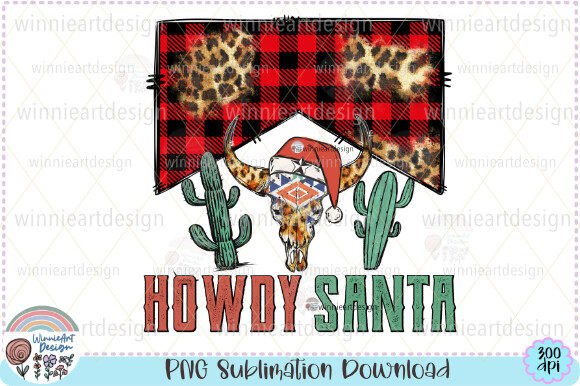
Howdy Santa Cow Aztec Skull: A Designer's First Look
When you open the Howdy Santa Cow Aztec Skull sublimation design, you're immediately struck by its curious blend of themes. It's not just another holiday graphic. The core personality here is playful and slightly rebellious—a cowboy Santa skull wrapped in Aztec-inspired patterns feels like a statement piece meant for someone with a specific sense of humor or aesthetic. As a designer, my first thought isn't about Christmas sweaters. It’s about a custom embroidered denim jacket panel or a standout patch on a vintage tote bag for a boutique. The layout is central and bold, with enough detailed linework in the Aztec patterns to create interesting texture when stitched, but the overall shape is clean and contained, which is a practical advantage.
Where This Design Finds Its True Home
This isn't a design for mass-produced, subtle accents. It's for products where the graphic is the hero. Imagine a client requests a unique gift for a friend who loves quirky art and Western motifs. Embroidering this onto a high-quality canvas tote bag or the back of a heavyweight cotton sweatshirt would turn a simple garment into a conversation piece. The "Howdy" text, integrated into the design, adds a personalized, greeting-card feel without being overly sentimental, making it excellent for personalized gifts from small shops.
For craft businesses and Etsy sellers, this design has strong potential as a focal point on limited-run merchandise. It could elevate a simple apron for a creative cook or become a striking centerpiece on a pillow cover in a niche home decor line. The 4000 x 4000 pixel size indicates good resolution for scaling, which is crucial when translating a digital graphic into a physical embroidery project where clarity matters.
Navigating the Practical Embroidery Terrain
In real-life embroidery situations, the success of this design hinges on thoughtful application. The detailed Aztec patterns within the skull and cow elements mean areas of potential density. On a t-shirt or lightweight baby clothes, a full stitch-out might feel too heavy and could distort the fabric. Here, I'd consider it more for applique, using the design as a template to cut fabric shapes, or for a simpler running stitch outline to maintain a lighter feel on delicate items.
Conversely, on sturdy substrates like a tote bag, cap, or tea towel, a satin stitch or fill stitch in the main areas could look fantastic and add significant product value. The design's central composition makes it naturally suited for standard hoop sizes on flat surfaces. However, on curved surfaces like caps, the wider, rounded shape of the skull itself is manageable, but the finer interior patterns would require careful stabilizer choice and possibly a reduction in detail to ensure stitching clarity.
Scenarios That Demand Extra Caution
There are a few places I'd use this design carefully. Small hoop sizes below a certain threshold might lose the integrity of the Aztec line details and the small "Howdy" text. Textured fabrics like linen or boucle could break up the clean lines, altering the intended mood. On dark fabric backgrounds, the design’s visual appeal depends entirely on high-contrast thread color choices—testing on scrap fabric first is non-negotiable.
For products destined for frequent washing, such as kitchen towels or everyday sweatshirts, the stitch density in any filled areas needs to be balanced to prevent premature wear. Also, because this is a graphic with a distinct personality, it might not fit every brand's consistency. For a crafter making holiday gifts, it’s perfect. For a commercial embroidery business serving corporate clients, it's likely too niche. This distinction affects buyer engagement; on an Etsy listing for handmade patches, it would attract a specific, engaged customer.
Notes from the Embroidery Machine
Before running this machine embroidery design, my practical steps are always the same. Since the file provided is a PNG and not a vector format, I would confirm the exact embroidery file format I need for my machine and ensure the PNG's 300 dpi detail translates cleanly. I would test a stitch-out on scrap fabric matching my final product's weight and color. Checking thread color contrast against both light and dark backgrounds helps visualize final products for mockups.
I'd inspect the small details in the Aztec patterns on my screen to decide if they'll require simplifying for my chosen hoop size. Using proper stabilizer for the chosen fabric is key to preserving those details. Crucially, I would verify the licensing terms for this digital embroidery file before selling any finished product or digital product previews in my craft business. The professional trust with your customers starts with respecting design origins.
The Final Stitch: Value and Perception
Ultimately, the Howdy Santa Cow Aztec Skull sublimation design affects perception. On a finished product, its quirky fusion creates a sense of handmade thoughtfulness and niche appeal, increasing giftability for the right recipient. For a small shop owner, offering this on a limited-run embroidered patch or sweatshirt can enhance brand recognition as a purveyor of unique goods. The stitching clarity, if executed well on an appropriate item, communicates professionalism and care.
My advice is to lean into its strength as a bold graphic. Don't try to miniaturize it for a subtle accent. Let it be the star on a sturdy, flat surface where its personality can shine. Pair it with solid, complementary fabrics and thoughtful thread colors. In the right real-world project—a custom embroidered pillow for a retro-themed room or a standout holiday gift sweatshirt—this design moves from a digital file to a memorable, tactile piece that customers and clients will genuinely appreciate.