Practical Evaluation: The PICKLE BALL RETIREMENT Graphic for Small Business Branding
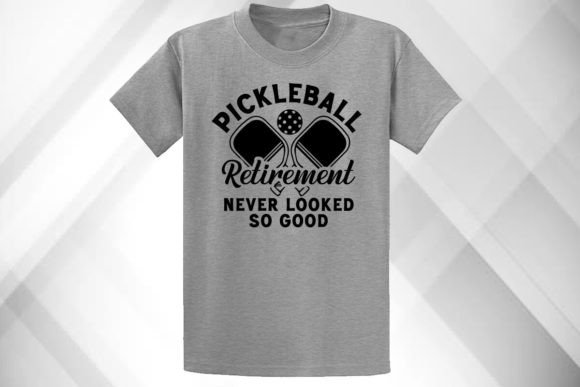
As a brand designer working with local businesses, my first task with any graphic design asset is to assess its real-world application. When I opened the PICKLE BALL RETIREMENT T-shirt design file for a potential client project—a local pickleball club planning merchandise and event promotions—my initial impression was its clear, playful energy. This isn't just a T-shirt graphic; it’s a versatile visual tool that suggests a community-focused, active, and celebratory brand personality. It feels friendly and bold, perfect for businesses targeting an engaged, niche audience.
The Mood It Creates and The Businesses It Fits
The design immediately conjures a sense of spirited camaraderie. This mood is invaluable for small businesses aiming to connect on a personal level. Imagine a local sports cafe, a neighborhood brewery hosting league nights, or a boutique selling active lifestyle apparel. The graphic’s thematic focus makes it a natural fit for product labels on limited-run craft beers, promotional posters for community tournaments, or the hero graphic on a club’s website. It carries a decorative, festive boldness that would feel out of place for a minimalist skincare brand but is ideal for businesses where passion and hobby are central to the customer identity.
From T-Shirt Graphic to Full Brand Identity Application
In my current project for the pickleball club, we’re building a cohesive look across physical and digital touchpoints. This PICKLE BALL RETIREMENT graphic serves as a foundational brand element. Beyond apparel, we’re integrating it into their product label for commemorative paddle grips, using it as a decorative accent on their membership thank-you cards, and featuring it in social media graphics for their seasonal league campaign. The key is consistency: this single design asset helps tie together their logo design on business cards, the visual hierarchy on their flyers, and the branding on their event posters.
Real Local Business Design Situations
For a handmade business, like a craftsman creating custom pickleball paddle cases, this graphic could be laser-etched onto tags or printed on fabric labels, adding a layer of professional packaging and product recognition. A food business, such as a health snack bar at the courts, could use a simplified version on packaging accents for a “Tournament Fuel” snack mix, creating a stronger emotional connection with their core customers. For marketing visuals, the asset is easily adapted into Canva templates for Instagram stories announcing retirement parties, or as a striking element in website banners.
- Logo & Identity: As a supporting graphical element beside a simpler logotype.
- Product Labels & Packaging: For limited-edition merchandise or themed product lines.
- Promotional Material: The centerpiece for flyers, posters, and digital ads.
- Brand Touchpoints: On stickers, hang tags, and menu graphics for a related cafe.
- Digital Presence: In email headers, social media graphics, and promotional banners.
How This Design Asset Supports Business Presentation
Using a well-crafted graphic like this elevates a local business’s entire presentation. It creates a stronger first impression on shelf appeal for retail products. It builds better customer trust through more polished and consistent marketing visuals. For a small business branding project, it provides a ready-made decorative brand element that improves visual consistency across print and digital, saving time and resources while achieving a more professional look.
Where This Graphic Works Best
This graphic shines as a hero element. Its best applications are areas where it can command attention and convey the brand’s thematic heart.
- Product Mockups for online stores selling themed apparel or gear.
- Promotional Banners for seasonal events or community fundraisers.
- Thank-You Cards and packaging inserts for a boutique’s special orders.
- Social Media Campaign Graphics building hype around a local tournament.
- Decorative Brand Elements on larger format items like posters or store windows.
Where It Should Be Used Carefully
A professional brand designer must also note limitations. This graphic’s specific, decorative nature means it should be applied thoughtfully.
- Formal Corporate Branding: It is too niche and playful for a generic corporate identity.
- Very Small Labels: Detail may become lost on tiny tags or ingredient lists.
- Crowded Product Packaging: It could compete with crucial text like usage instructions.
- Legal Information Areas: Never use it near mandatory regulatory text.
- Luxury Minimalist Brands: Its bold style contradicts a serene, high-end aesthetic.
Practical Brand Designer Notes Before Client Use
Before implementing this graphic design asset into a real client’s commercial design, I follow a checklist.
First, I confirm the commercial license allows use for physical product sales and business branding. Then, I test it on real packaging mockups to see how colors interact with background materials. I preview it on small label sizes to ensure readability. I check its performance in black and white for potential single-color print situations. I test it alongside various font styles—a sans serif for modernity, a script for elegance—to see which pairing strengthens the overall brand identity. I review the print-ready file’s quality and, if an SVG, its vector editability for necessary client-specific adjustments. Finally, I place it beside competitor packaging visuals to ensure it offers distinctive, not derivative, shelf appeal.
Final Thoughts for Creative Entrepreneurs
For the small business owner, marketer, or packaging designer, a graphic like the PICKLE BALL RETIREMENT T-shirt design is more than a digital product; it’s a strategic shortcut. When chosen thoughtfully for its mood and application, it can accelerate the creation of a cohesive brand identity, from product labels to social media graphics. It empowers a local business to present itself with clarity and confidence, forging a stronger connection with its community. The ultimate value lies not in the file itself, but in how it’s deployed across the real-world touchpoints that define your brand’s story.