My Designer Take on the Pumpkin Halloween Embroidery Design
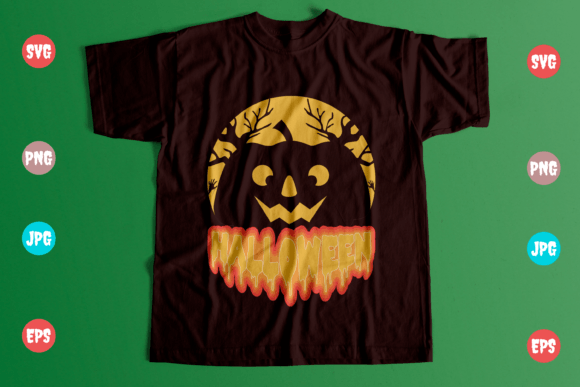
When I look at a new embroidery design, my first question is always, “Where does this belong?” I’m not just opening a file; I’m envisioning it stitched out, on a real product, being held by a real customer. The Pumpkin Halloween T-Shirt Design immediately paints a picture. It’s playful, friendly, and unmistakably seasonal. The layout feels balanced, and the theme has that classic, approachable Halloween charm that isn’t overly spooky—perfect for a wide audience, from kids to adults who just love autumn festivities. This isn't a design that screams for attention; it invites a smile. Its visual personality is warm and decorative, making it a natural fit for homemade holiday gifts, boutique merchandise, or personalized family apparel.
Where This Pumpkin Design Finds Its Perfect Home
In my workshop, I imagine this design coming to life on a cozy, washed-cotton sweatshirt. It would feel like a staple piece for October weekends. But its application goes much further. I can see it beautifully centered on a canvas tote bag for a craft fair vendor, adding a touch of seasonal branding. It would be darling, scaled appropriately, on a baby’s knit hat or the corner of a nursery blanket. As a small shop owner, you might use it for a limited-run apron or a kitchen towel set, creating quick, festive products that have a handmade touch. For an Etsy seller specializing in personalized gifts, this pumpkin could be the cheerful centerpiece on a pillow cover destined for a friend’s Halloween housewarming present.
The design also holds potential as an embroidered patch. Applied to a denim jacket or a backpack, it becomes a reusable, durable accent. For commercial embroidery projects, like a small line of holiday tees for a local boutique, its clear, recognizable theme builds consistent branding. It’s a versatile embroidery file that transitions well from custom apparel to home decor.
Navigating the Practical Stitching Landscape
Every design has its ideal conditions and its careful considerations. For this Pumpkin Halloween design, success starts with understanding your project base. On thick, stable fabrics like sweatshirt material or canvas totes, it will likely stitch out with excellent clarity. The potential challenge areas are typically where fine details meet less forgiving surfaces.
On thin or stretchy fabrics, like a lightweight t-shirt, a good stabilizer is non-negotiable to prevent puckering and maintain the shape. If you’re working on dark fabric, your thread color choices become paramount—you’ll want to test contrast on scrap fabric first to ensure the design pops and doesn’t get lost. Embroidering on curved surfaces, like a cap, requires checking the design’s orientation and size to ensure it sits well on the curved panel without distortion.
Always inspect the small details in the file preview. Are there any tiny elements or very dense stitch areas that might need adjustment for a smaller hoop size? Running a test on a similar scrap fabric is the best practice here. It saves time, thread, and disappointment. Also, consider how it will look in a simple black and white mockup—this helps judge the form and composition stripped of color, which is useful for understanding its structure.
The Impact on Your Project’s Appeal and Value
Using a well-composed design like this directly affects your finished product’s perceived value. When stitched cleanly, it communicates care and professionalism. For customers, a clean embroidery job on a handmade product builds trust—they see the precision and feel the quality. This pumpkin design, with its friendly theme, enhances giftability. It feels special and thoughtfully chosen, not generic.
For your craft business, such a design can bolster brand consistency if you develop a seasonal line. It engages buyers looking for that specific, festive touch. However, the visual appeal hinges entirely on your execution. Poor stitch density choices or incorrect stabilizer on a tricky fabric can undermine the design’s intent, making it look amateurish. Conversely, a perfectly executed version on the right product elevates it into a standout item.
A Few Designer Notes Before You Hoop It Up
Before you commit this design to a client’s item or your shop inventory, walk through a quick mental checklist. First, confirm the practical specs you don’t have yet: the exact stitch count, the included file formats for your machine, and the specific hoop size recommendation. The product description mentions it’s from a “Trending POD Design” store and falls under Print Templates and Graphics, so it’s crucial to verify these embroidery-specific details directly with the seller or in the file documentation.
Second, and most importantly, review the licensing terms. Is this embroidery file cleared for commercial use? Can you sell the physical products you make with it, or is it only for personal projects? Never assume. Clarifying this protects your small business. Then, plan your application. Match your thread colors to the fabric background—a crisp orange on a cream towel versus a deeper, richer orange on a black sweatshirt. Think about the fabric texture; a nubby linen might give a different effect than a smooth polo shirt knit.
Finally, embrace its versatility. This Pumpkin Halloween T-Shirt Design isn’t just for t-shirts. Its real value for embroidery designers, makers, and small business owners lies in its adaptability. From a custom embroidered tote bag for a friend to a batch of embroidered caps for your holiday market stall, it’s a digital design asset that, with careful planning and skillful stitching, can become a beloved part of many real-world embroidery projects.