Reviewing the "One Must Settle for Owl" Embroidery Design
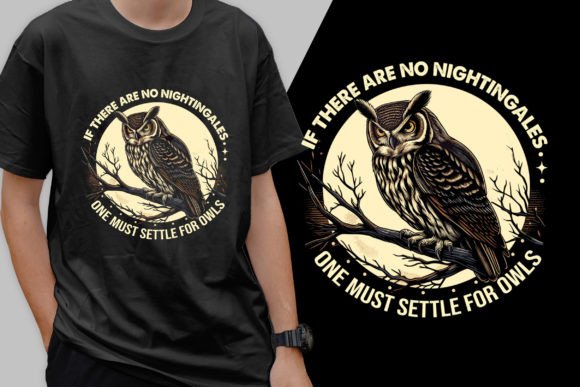
As someone who’s embroidered hundreds of designs for clients and my own small business, I approach every new pattern with a practical eye. I’m not just looking at a pretty picture; I’m evaluating how it will behave when translated into stitches. Today, I’m thinking through the "One Must Settle for Owl Stylish T-Shirt" design, a piece categorized under T-Shirt Designs and Graphics, for real project use.
The Design’s First Impression: Witty and Contemporary
The phrase "One Must Settle for Owl" immediately sets a tone. It’s clever, playful, and has a modern, almost literary vibe. Combined with the owl illustration, the overall mood is smart, stylish, and a touch whimsical. This isn’t a generic animal graphic; it’s a design with personality. The layout feels balanced—the text and the owl complement each other without crowding. The detail level in the owl appears moderate, not overly dense, which is a good sign for embroidery. It suggests clean lines and distinct shapes, rather than a muddle of tiny stitches that can lose definition.
A Natural Fit for Personalized Gifts and Boutique Merchandise
This design doesn’t scream "mass-produced." Its charm lies in its specific character. I instinctively picture it on a high-quality organic cotton tote bag for a book-loving friend, or centered on a cozy fleece sweatshirt for a boutique’s autumn collection. It feels perfect for a personalized gift, like a monogrammed pillow cover for a new nursery with an owl theme, or even a custom apron for a quirky kitchen. For crafters and Etsy sellers, this graphic offers a narrative—it’s a product that tells a little story, which engages buyers more than a simple logo.
Real-World Embroidery Performance: Where It Shines
Let’s get practical. I’m imagining running this machine embroidery design on various items. On a standard cotton t-shirt or polo, it would work beautifully, given proper stabilizer. The moderate detail suggests it would also embroider well on a canvas tote bag or a denim patch—fabrics that can handle a decent stitch density without puckering. For baby embroidery on a knit romper, you’d need to be cautious with the stabilizer to prevent distortion, but the design’s friendly theme is ideal for children’s items. As a holiday gift, like an embroidered tea towel or a festive kitchen towel, it adds a personalized, non-traditional touch.
For commercial embroidery projects or small shop merchandise, this design has broad appeal. It could anchor a line of products in a craft business—from caps to pillow covers—creating brand consistency through a recognizable, stylish motif. Using it in printable mockups for your digital product listings would showcase its potential clearly to potential buyers of the embroidery file.
Considerations for a Clean Stitched Result
Every design has its sweet spots and its tricky areas. The "One Must Settle for Owl" design appears to have some smaller elements, likely in the owl’s features and the lettering. Here’s where an experienced embroiderer’s notes come in. On very small hoop sizes, some of that detail might become too condensed, losing clarity. I would strongly advise testing this design on scrap fabric first, especially if you plan to use it on textured fabrics like fleece or on stretchy fabric.
Stitch density is a key consideration. If the owl’s body uses a solid fill stitch, it must be balanced to not be too heavy for thin fabric like a lightweight t-shirt, which could lead to puckering. For dark fabric backgrounds, thread color contrast is paramount. A white or light grey satin stitch for the text against a black sweatshirt would pop, but you must choose your palette wisely. On curved surfaces like caps, the layout’s width needs to be checked to ensure it fits the available area without cramping the edges.
How This Design Elevates Your Finished Product
Beyond the technical, this design affects the perceived value of your handmade product. A clean, witty embroidery like this enhances customer trust—it shows thoughtful selection and skilled execution. It increases giftability; it’s something people would choose specifically for a person, not just a generic item. For an Etsy seller or apparel decorator, a design with this kind of visual appeal can drive buyer engagement. It’s recognizable and memorable, lending professionalism to your craft business offerings.
However, its success hinges on execution. Tiny lettering, if not stitched crisply, can look blurred. Dense stitch areas need proper stabilizer to lie flat. And for products destined for frequent washing, like baby clothes or kitchen towels, you must ensure the embroidery is robust, perhaps using a tighter fill stitch or a durable thread blend.
Practical Designer Notes Before You Hoop It
Before you commit this design to a client’s custom apparel or your next craft fair product batch, do your homework. My routine includes:
- Testing the embroidery file on a scrap of my intended project fabric.
- Checking thread color contrast for both light and dark fabric backgrounds. I often run a simple black and white mockup in my software to see the pure shapes.
- Reviewing the stitch count and density in my editor to anticipate fabric strain.
- Confirming the minimum hoop size required to capture all details without compromise.
- Inspecting small details, like the owl’s eyes or the font serifs, to see if they’ll remain clear at my chosen size.
- Always, always confirming the licensing terms. Can I use this for commercial embroidery, selling finished products like embroidered patches or boutique product lines? I never assume; I check.
The "One Must Settle for Owl Stylish T-Shirt" design has the bones of a winner for makers. It carries a mood that resonates, and its layout is promising for a clean stitched outcome. Its real value will be proven not on the screen, but in the hoop, on the fabric, and ultimately, in the hands of a delighted customer. That’s the judgment that matters.